News
How Are Women In Medicine Shaping The Future Of Locum Work?
.jpg%3Falt%3Dmedia%26token%3Dad2e45fe-1d78-40e4-ae9b-5e32f3ee56d4&w=3840&q=75)
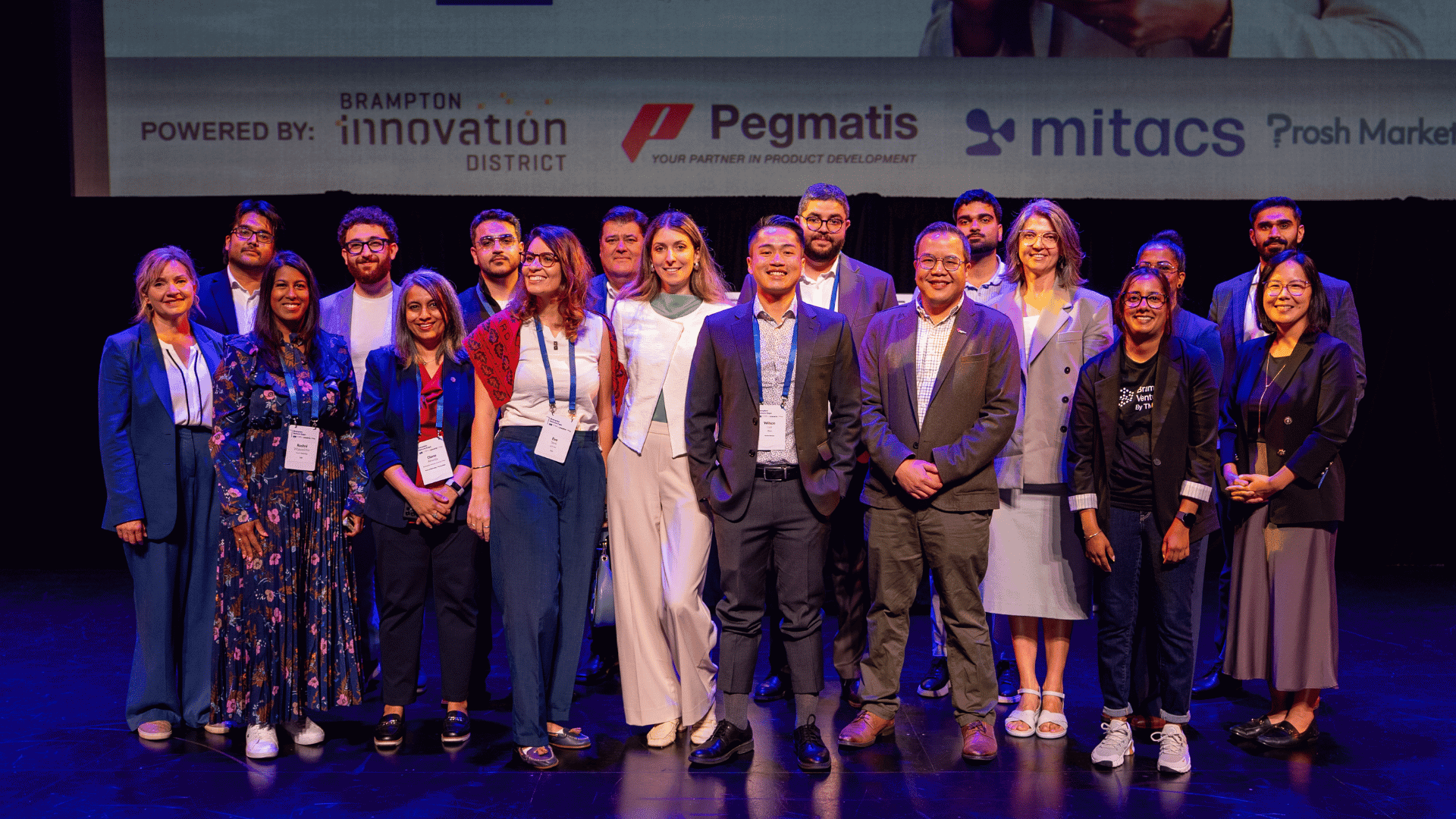
Earlier this month I had the privilege of attending my first Canadian Women in Medicine (CWIM) conference in Winnipeg Manitoba where I was welcomed into conversations about connection, boundaries, ambition and burnout. The session that resonated with me the most was Dr. Pooja Lakshmin’s talk on “real” self-care: a lesson which closely reflects the core values of LOCVM.
Faux Versus Real Self-Care:
“Faux” self-care is often consumable: bubble baths, meditation, yoga, or various wellness products [1]. That’s not to say that commercialized wellness is not helpful, but rather unlikely to change the reason which led to us seeking it in the first place. “Real” self-care, as Dr. Lakshmin describes it, is an active and internal process which shifts the equilibrium in our interpersonal life. Real self-care forces us to reevaluate our core values and empowers us to make decisions before burnout becomes inevitable. The analogy Dr. Lakshmin uses is simple: real self-care is letting your phone go to voicemail, listening to the message, and then deciding what to do next. In her words, the “boundary is the pause” between request and response. The pause creates space to evaluate our values before adding something to our plate.
Women in Medicine & Burnout:
We live in a world where physician burnout is worse than ever, particularly amongst female physicians [2,3] who often face additional expectations surrounding availability, compassion, caregiving, and invisible labour. To women in medicine, the pause may feel inaccessible.
How does this translate to locum work? We know from the literature and our own experience at LOCVM that the majority of locum work in Canada is done by women [4,5]. So why are women leading the locum conversation?
One possible explanation is that women are drawn to locum work because it is one of the few spaces in medicine where there is naturally room for flexibility, sustainability, and boundary setting [6,7]. A physician choosing locum work is not stepping away from medical responsibility, but instead remaining meaningfully engaged in care at a level that aligns with their capacity.
Now making an informed and sustainable choice is only as accessible as its infrastructure. A physician cannot meaningfully pause or negotiate if opportunities are limited to informal channels of communication or if arranging a locum placement is overly administratively demanding.
At LOCVM, the pause is built-in.
By making locum coverage and expectations transparent (e.g., payment, EMR, accommodation, etc.), a dedicated digital coordination platform restores physician autonomy. This clarity makes it easier to say yes, no, or ask questions. It makes boundary-setting more attainable while helping clinics plan for parental leave, illness, vacation, and professional development before burnout sets in.
It is clear that women are leading the locum conversation, and Dr. Pooja Lakshmin is naming what medicine has long needed: clearer choices, stronger boundaries, and, most importantly, systems that make sustainability possible.
References:
- 1. Lakshmin, P. Real Self-Care: A Transformative Program for Redefining Wellness (Crystals, Cleanses, and BubbleBaths Not Included).
- 2. NATIONAL PHYSICIAN HEALTH SURVEY 2025 WOMEN PHYSICIANS REPORT - 2026-NPHS-women-physicians-report-EN.pdf. https://digitallibrary.cma.ca/viewer?file=%2Fmedia%2FDigital_Library_PDF%2F2026-NPHS-women-physicians-report-EN.pdf#page=1.
- 3. Burnout Resources – CMA. https://www.cma.ca/resources/physician-wellness-hub/topics/burnout.
- 4. Myhre, D. L. et al. Locum practice by recent family medicine graduates. Can. Fam. Physician 56, e183–e190 (2010).
- 5. Family physicians and locum tenens. Can. Fam. Physician 54, 1024 (2008).
- 6. Lougheed, T. Power of the locum. Can. Fam. Physician 65, 371–372 (2019).
- 7. Grudniewicz, A. et al. Factors influencing practice choices of early-career family physicians in Canada: A qualitative interview study. Preprint at https://doi.org/10.1101/2023.05.07.23289626 (2023).